


The Secret to Smoother Movement: Why You Should Be Foam Rolling

by Robert Barrett, Certified Strength & Conditioning Specialist, NSCA
We’ve all seen them at the gym: those long, cylindrical tubes of foam that people seem to use as both a torture device and a massage tool. If you’ve ever wondered why someone would voluntarily roll their body weight over a firm piece of plastic, the answer lies in a practice called \
Self-Myofascial Release (SMR).
Whether you're a marathon runner, a weightlifter, or someone who spends eight hours a day hunched over a desk, foam rolling can be a game-changer for how your body feels and moves.
What is Myofascial Release?
To understand foam rolling, you first need to understand fascia. Think of fascia as a thin, tough, elastic wrap that encases every muscle, bone, nerve, and organ in your body. It’s like a biological "spider web" that holds everything together.
When we experience stress, injury, or repetitive movement, that fascia can become tight, scarred, or stuck together (often called "knots" or "trigger points"). Myofascial release is the process of applying pressure to these spots to help the tissue relax, rehydrate, and regain its elasticity.
The Big Benefits of Rolling Out
Why bother with the (admittedly sometimes uncomfortable) sensation of foam rolling? Here are the top four reasons:
● Improved Range of Motion: By breaking up "sticky" spots in your fascia, you allow your muscles to stretch further and move more freely. This makes your workouts more effective and your daily movements more fluid.
● Faster Recovery: Rolling increases blood flow to the targeted area. More blood flow means more oxygen and nutrients reaching the muscle, which helps flush out metabolic waste and reduces Delayed Onset Muscle Soreness (DOMS).
● Reduced Injury Risk: Tight muscles and fascia often pull on joints, leading to imbalances. Regular rolling helps keep the "tensions" in your body balanced, preventing the compensation patterns that often lead to injury.
● Stress Relief and Relaxation: Just like a professional massage, SMR can down-regulate your nervous system. Spending 10 minutes on a roller before bed can help signal to your body that it’s time to switch from "fight or flight" to "rest and digest."
Pro-Tips for Beginners
If you’re ready to start, keep these three golden rules in mind:
Don’t roll bone: Stay on the "meaty" parts of the muscle. Avoid rolling directly over your knees, hips, or spine.
Breathe through the tension: If you hold your breath, your muscles will tense up, defeating the purpose. Deep, diaphragmatic breaths help the tissue "melt" over the roller.
Go slow: This isn't a race. When you find a particularly tender spot, pause there for 20–30 seconds rather than rapidly rolling back and forth.
Equipment
There are many tools you can use to help you get started:
Foam rollers come in many different shapes, sizes, and densities. The harder the roller the deeper the “message”; which can be uncomfortable to either people new to rolling or to people with fresher aches. A roller is good for large areas such as your upper back, or large leg areas. A soft roller from any big box store can run you $10-$15 and should be appropriate for most people.

Balls: Tennis balls, Lacrosse Balls, and Trigger point balls. These are great for targeting smaller areas; like the arches of your feet or between your spine and shoulder blade. These are great for at your desk or when traveling because they don’t take up much space.
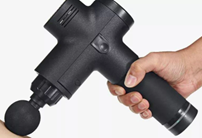
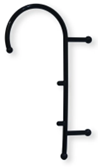
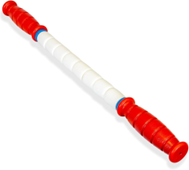
Others: Massage ‘’gun”, Massage stick, Shepherd's Hook. These are specialty items that are used for targeting those smaller areas.
Practical Use
As a trainer. I utilize these different tools with clients to help target their needs. The use of any of these tools before exercise is great for creating improved range of motion so that your body can move the way you need for the upcoming workout. Deeper, slower, and increased time under tension help to release the trigger points.
We also use these tools post workouts to help speed up the recovery process. Not as deep, faster, and less time under tension is used to encourage blood flow to the area; which can help speed up recovery.
5 to 10 minutes of daily soft tissue work can be beneficial to helping maintain joint range of motion, muscle suppleness, and muscle agonist/antagonist ratios. All of which degrade with regular exercise.
Foam rolling and other Myo-Fascial release should not be used to treat any chronic medical conditions unless directed by your doctor or physical therapist. The use of these tools however are a part of the treatment for many bio-mechanical conditions.
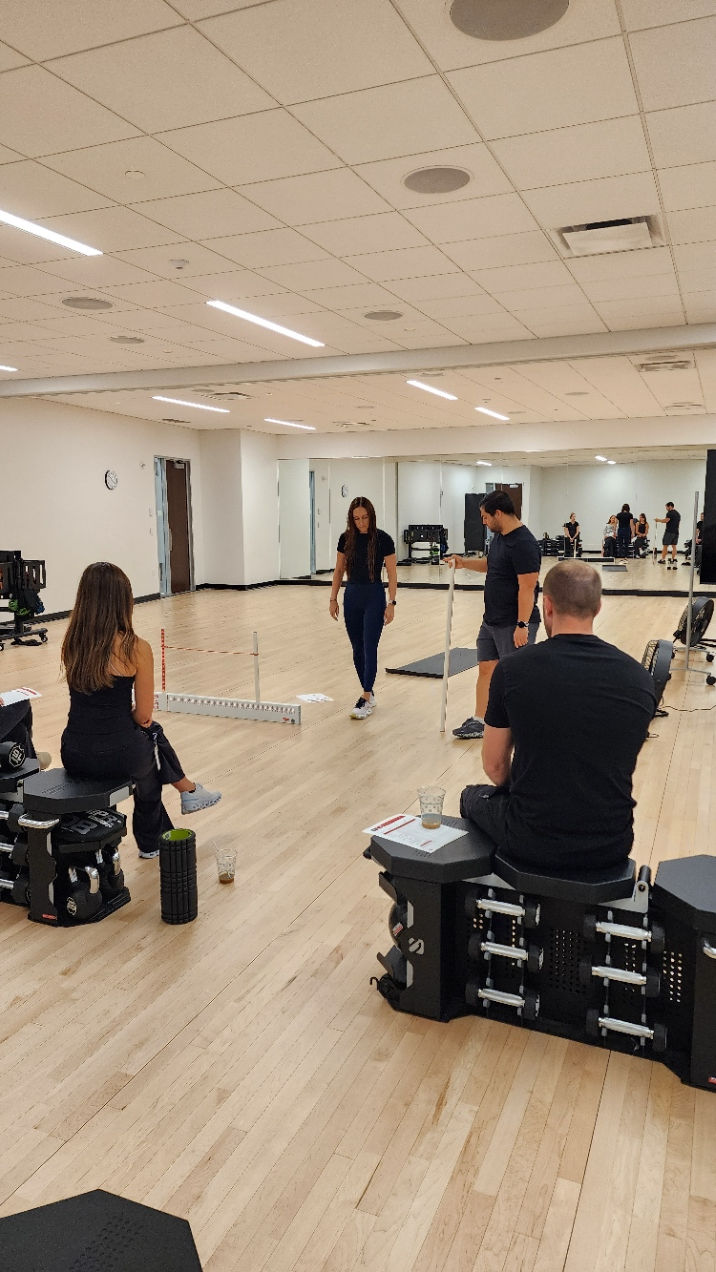
Below are just a few examples of using a foam roller. We highly advise consulting a health and fitness professional on how to utilize these tools to best fit your needs.

Summary: Is It Worth It?
Foam rolling is one of the most cost-effective ways to maintain your body. It’s essentially a $20 investment in a lifetime of better mobility. It might feel intense at first, but your muscles—and your future self—will thank you.
References:
Cheatham, S. W., Kolber, M. J., Cain, M., & Lee, M. (2015). The effects of self-myofascial release using a foam roll or roller massager on joint range of motion, muscle recovery, and performance: A systematic review. International Journal of Sports Physical Therapy, 10(6), 827–838.
Kodama, Y., Masuda, S., Ohmori, T., Kanamaru, A., Tanaka, M., Sakaguchi, T., & Nakagawa, M. (2023). Response to mechanical properties and physiological challenges of fascia: Diagnosis and rehabilitative therapeutic intervention for myofascial system disorders. Bioengineering, 10(4), 474. https://doi.org/10.3390/bioengineering10040474
Martínez-Aranda, L. M., Sanz-Matesanz, M., García-Mantilla, E. D., & González-Fernández, F. T. (2024). Effects of self-myofascial release on athletes’ physical performance: A systematic review. Journal of Functional Morphology and Kinesiology, 9(1), 20. https://doi.org/10.3390/jfmk9010020
Oliveira, R. F., Mota, G. R., Carvalho, W. R. G., Bertochi, G. F. A., & Sasaki, J. E. (2022). Effect of single and multiple sessions of self-myofascial release: Systematic review. Revista Brasileira de Medicina do Esporte, 28(4), 358–367. https://doi.org/10.1590/1517-8692202228042021_0114
Stull, Kyle. Complete Guide to Foam Rolling. Champaign, IL: Human Kinetics, 2017.
Wiewelhove, T., Döweling, A., Schneider, C., Hottenrott, L., Meyer, T., Kellmann, M., Pfeiffer, M., & Ferrauti, A. (2019). A meta-analysis of the effects of foam rolling on performance and recovery. Frontiers in Physiology, 10, 376. https://doi.org/10.3389/fphys.2019.00376


Comments